Understanding Radon Mitigation in York, PA: What Homeowners Need to Know
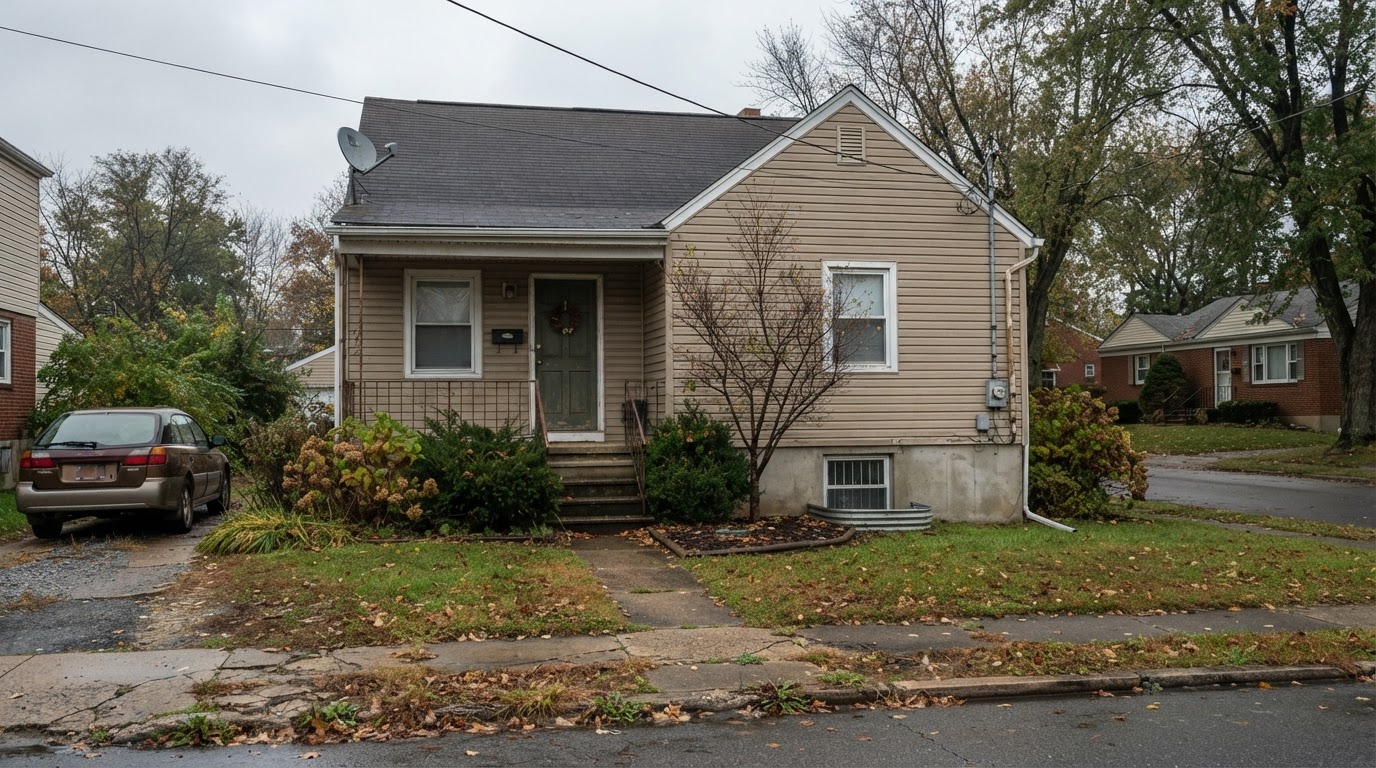
Living in York, PA, I have seen more than a few basements with that telltale sump hole or a pipe running from the floor up to the roofline. For a long time, those installations seemed like mysterious plumbing or leftover ductwork. But after I started working with local homeowners on indoor air quality, I realized those pipes were the visible part of something far more important: a radon reduction system. Radon is a natural radioactive gas that comes from the ground, and it can seep into homes through cracks in the foundation. In York PA, the geology makes it a real concern. If you have not thought about radon mitigation York PA yet, you might be living with a problem you cannot smell or see.
Why Radon Matters in York County
The Pennsylvania Department of Environmental Protection has mapped radon potential across the state, and much of York County sits in zones with elevated risk. The gas itself comes from the decay of uranium in soil and rock. As it moves up through the ground, it can enter a home through any opening: slab joints, gaps around pipes, floor drains, or even hollow-block walls. Once inside, radon can accumulate to levels that the EPA considers actionable. The EPA recommends fixing your home if the radon level is 4 picocuries per liter or higher. In my experience helping neighbors test their homes, I have seen readings well above that threshold, especially in homes built before radon-resistant construction became more common.
The First Step: Testing Your Home
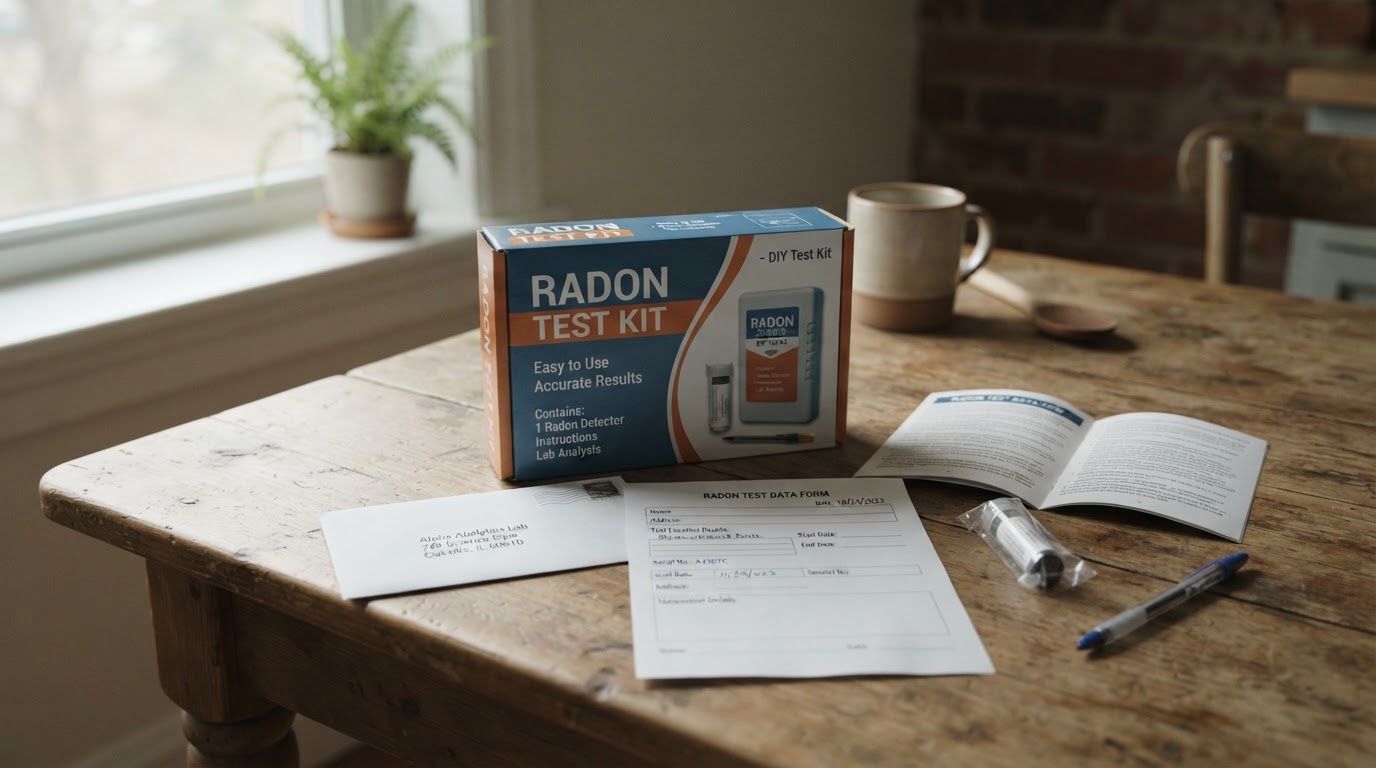
You cannot guess at radon levels. You have to test. There are two main ways to do it: a short-term radon test and a long-term radon test. Short-term tests usually last between two and seven days. They give you a quick snapshot, which is useful if you are in the middle of a home sale or just want a baseline. But radon levels can vary day to day and season to season. A long-term test, lasting 90 days or more, gives a more accurate picture of your average exposure. Many people start with a short-term test and follow up with a long-term one if the first result worries them.
For testing, you can buy a charcoal-based kit at a hardware store or use a continuous radon monitor. A continuous radon monitor plugs into a wall and logs readings over time. It costs more upfront but can show you how levels change with weather, heating, and ventilation. I have used both types, and I prefer the continuous monitor for my own home because it gives me real-time feedback after I installed my mitigation system. But for a first check, a simple short-term test is fine. Just follow the instructions carefully: close windows, keep doors shut, and avoid fans that pull outdoor air in.
What Radon Mitigation Actually Involves
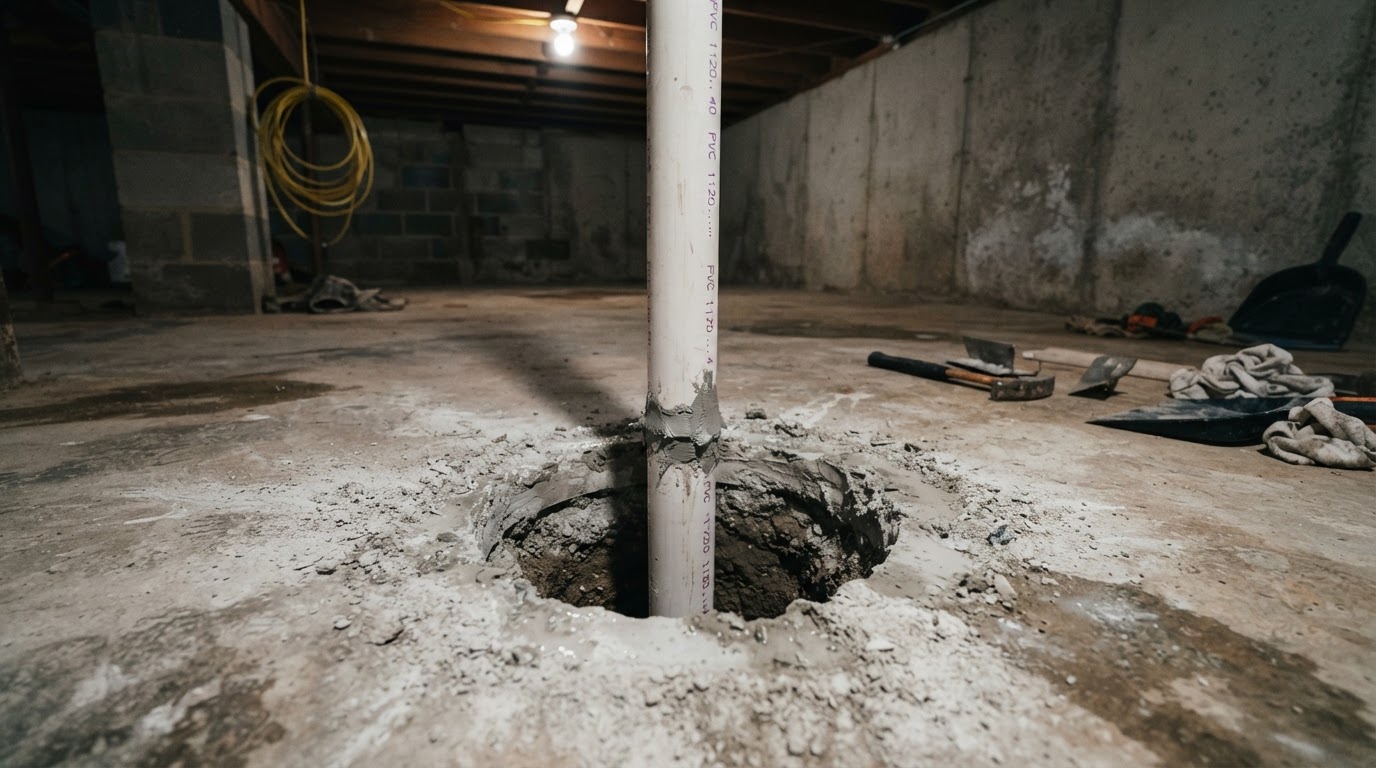
Once you confirm high radon levels, the next step is radon mitigation. The most common method for homes in York PA is active soil depressurization. A certified radon mitigator drills a small hole through the basement floor, digs out a pit beneath the slab, and inserts a pipe that runs up to a radon fan mounted outside or in the attic. The fan creates a vacuum under the slab, pulling radon-laden soil gas away from the house and venting it safely above the roofline. This system is often called a sub-membrane depressurization when installed under a crawlspace cover, but the principle is the same: you depressurize the soil beneath the home so the gas does not enter.
The key components of a radon reduction system include the fan, the pipe, and a manometer. The manometer is a U-shaped tube filled with liquid that shows whether the fan is maintaining suction. When I visit homes to check systems, the first thing I look at is the manometer. If the fluid levels are even, the fan might be off or the system might have a leak. If one side is higher, the system is working. It is a simple but reliable indicator.
Beyond active soil depressurization, other techniques include sealing cracks and openings with a high-quality sealant, installing a vapor barrier in crawlspaces, and improving ventilation in the lowest livable level. But sealing alone is rarely enough. Radon can push through microscopic gaps that no amount of caulk can block. That is why a fan-based system is the standard for most homes. The EPA and the Pennsylvania Department of Environmental Protection both recommend active soil depressurization as the most effective approach.
Choosing a Certified Professional
Radon mitigation is not a DIY project. The system has to be designed for your home's specific foundation type, soil conditions, and layout. A certified radon mitigator has training through programs like the National Radon Proficiency Program or the American Association of Radon Scientists and Technicians. These certifications mean the person understands how to measure radon, how to install systems safely, and how to verify that the system works after installation.
In York PA, there are a few certified professionals who handle radon mitigation regularly. I recommend asking for proof of certification and references from recent jobs. A good mitigator will also provide a post-mitigation radon test to confirm levels have dropped below the EPA action level. Some will even offer a warranty on the fan and labor. When you search for radon mitigation York PA, you want someone who does this work day in and day out, not a general contractor who installs one system a year.
Cost and Practical Considerations
The cost of radon mitigation varies based on the complexity of the installation. A typical active soil depressurization system in York PA runs between $800 and $1,500, though homes with difficult crawlspaces or multiple slabs may cost more. The radon fan itself is a modest expense; the labor and materials for the pipe and concrete work are the bigger part. Some homeowners worry about the noise of the fan, but modern fans are quiet and can be mounted in an attic or outside so you barely hear them.
I have also seen cases where a homeowner tried to save money by installing a system without a manometer or with undersized pipe. That usually leads to a system that looks good but does not actually reduce radon. A manometer costs next to nothing and tells you if the system is alive. Skipping it is a false economy. Similarly, using a fan that is too weak for the soil type under your house can leave you with high radon levels even after the system is running. A certified mitigator will calculate the needed suction based on soil permeability and the size of the area under the slab.
Long-Term Maintenance and Monitoring
Once your radon reduction system is installed, it needs periodic checks. The fan should run continuously, and the manometer should always show a difference. I recommend checking the manometer every month and after any major weather event. Heavy rain or snowmelt can saturate the soil and temporarily increase the load on the system. If you see the manometer reading change, call your mitigator to inspect it.
You should also retest your home every two years or after any major renovation that affects the foundation. A continuous radon monitor makes this easy, but a short-term test kit works too. The goal is to keep your long-term average below the EPA action level. Some people assume that once the system is in, the problem is solved forever. But fans can fail, pipes can get clogged, and new cracks can appear in the slab. Staying on top of it is part of being a responsible homeowner.
Radon and Real Estate Transactions
If you are selling a home in York PA, a radon test is often part of the inspection. Sellers who have already installed a radon mitigation system have a clear advantage. They can show the buyer the manometer reading and provide documentation of post-mitigation test results. I have seen deals fall through because the buyer's test came back high and the seller had no plan to fix it. Having a system already in place saves time and stress. For buyers, asking about radon during the offer stage is smart. Even if the test comes back low, knowing the house has radon-resistant construction or a working system is a plus.
Final Thoughts
Radon is a serious health risk, but it is also a manageable one. Testing is cheap and easy. Mitigation is a one-time investment that protects your family for years. If you live in York PA and have not tested your home, I encourage you to start there. And if your test comes back high, do not panic. Call a certified radon mitigator, get a quote, and have a system installed. The peace of mind is worth it. For anyone looking into radon mitigation York PA, the key is to work with someone who knows the local soil, understands the building codes, and will stand behind their work. It is not a complicated process, but it does require attention to detail. And in the end, you will have a home that is safer and healthier for everyone inside it.